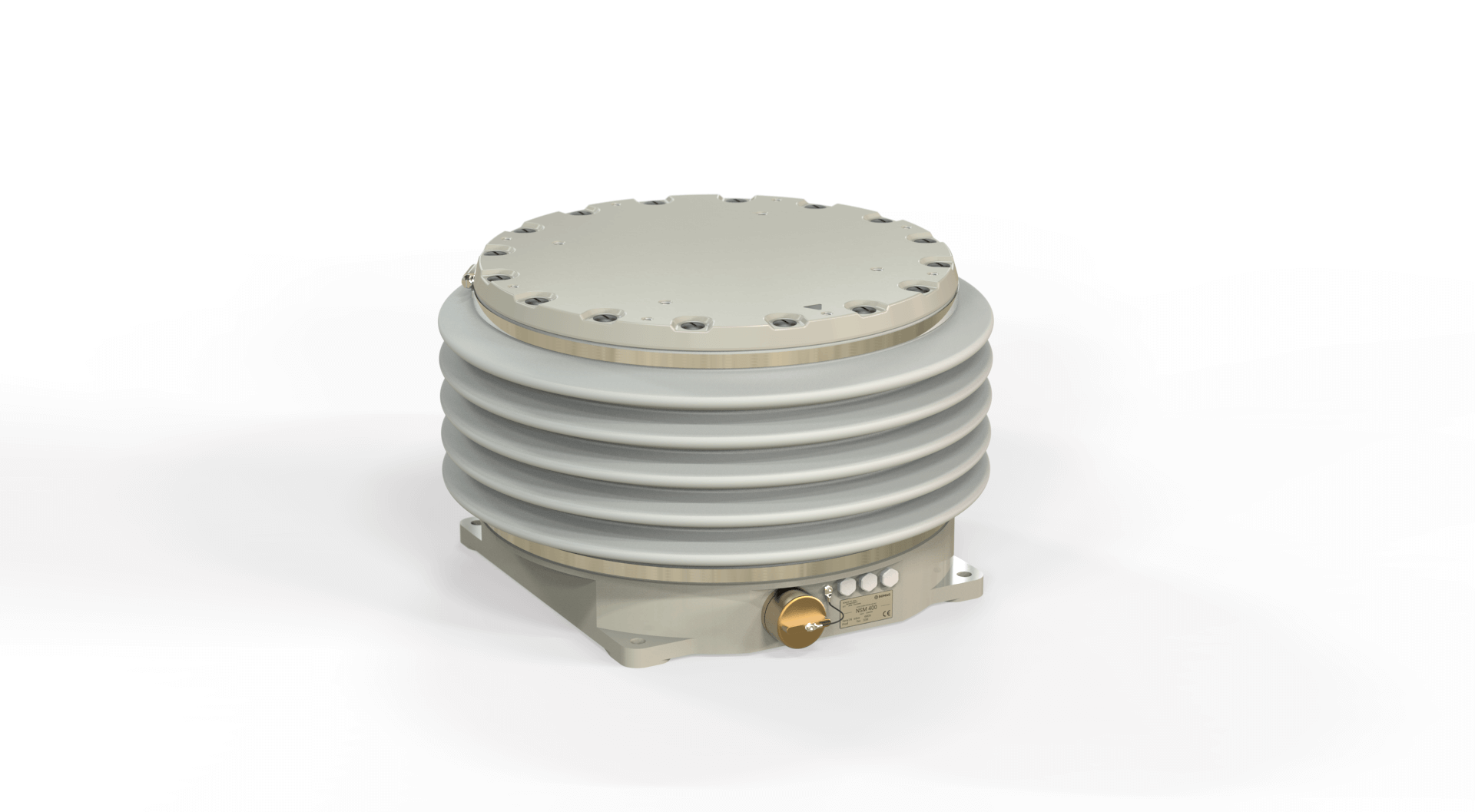
NSM 400 Performance Test

-- archive.php --
NSM 400

Successfully Completes Stabilization Performance Test

SOMAG AG AG Jena has successfully tested the stabilization performance of its Nautical Stabilization Mount 400 at the Institute of Ship Technology and Transport Systems of the University of Duisburg-Essen.

The NSM 400 was designed to stabilize sensor systems on medium to large maritime vessels even in very rough sea conditions, ensuring a stabilized field of view and high-resolution images by compensating the swell up to sea state 6 and beyond.

Extensive research on ship motion in different sea states show rotary motion given by roll, pitch and yaw and a strong presence of linear accelerations along all 3 axes.
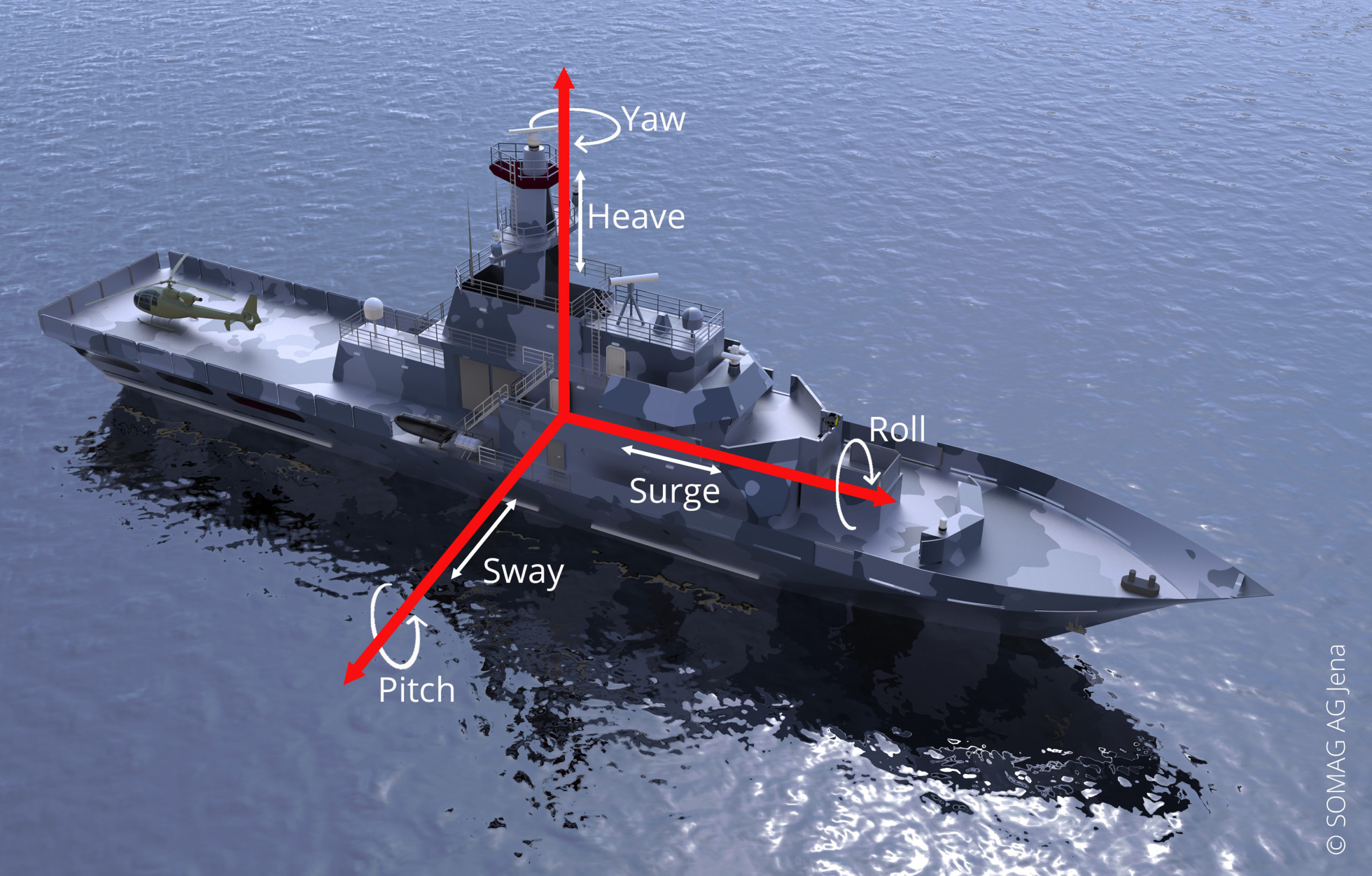
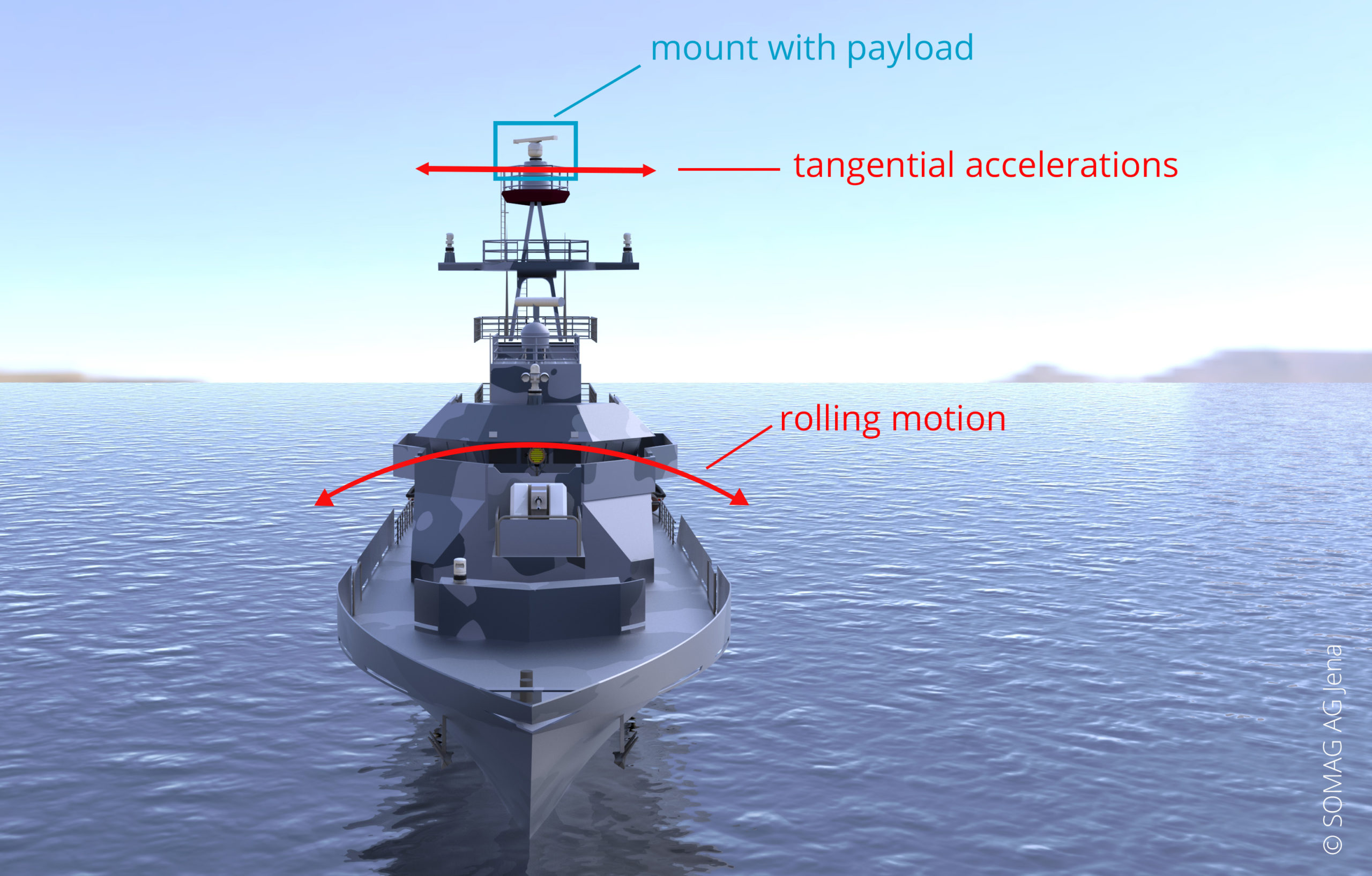
Placing the Stabilization Mount in an elevated position on a mast high above the ship’s pivot represents a typical but also challenging case of application. This pivot offset causes the angular movements to result in tangential accelerations, to which additional sway, heave and surge accelerations add up.

„We used comprehensive data from US Navy ship motion studies and picked out the worst-ever recorded cases to calculate the maximum angles, max. angular velocities, max. angular accelerations and max. tangential accelerations occurring for our application at sea state 6,” says Jens Korneli, Application Engineer at SOMAG AG Jena.

Previous performance tests using the SOMAG test bed could already successfully demonstrate the NSM 400 stabilization performance. However, these tests were limited to roll and pitch motion only. To reproduce tangential acceleration, a hexapod test bed was chosen to simulate real-life ship motions.

A total of 13 different hexapod tests were performed simulating movements up to 20° in roll and pitch and lateral accelerations up to 0.5 g.

The residual angular deviation from perpendicular was measured with a reference sensor system to verify the stabilization performance of the Mount. The NSM 400 has successfully completed all 13 tests, delivering on the promise of an unmatched stabilization accuracy of ≤0.4° rms without external IMU data.

“The NSM 400 performance went above and beyond our own specifications and proved an average residual angular deviation of 0.17° rms,” Sebastian Schreiber, CTO at SOMAG AG Jena, summarizes the results.

“However, we do not simply stop at this point” he continues. “In order to resemble the real-life challenges of seafaring more closely, we used motion data actually recorded from an LNG tanker fighting its way through waves of 9 m (30 ft.) and higher, which corresponds to sea state 7.”

Heavy swell like this pushes man and machine to their limits, but the NSM400 is not impressed at all, perfectly stabilizing the 41 kg (90,38 lbs.) payload. The measured residual angular deviation of no more than 0.12° rms once again proves that the gimbal is more than capable of getting its job done, just relying on its build in sensors.

Performance Test Video

The results of the hexapod-test using real-life ship data is shown in the video. The IMU on top of the Mount measures the residual angular deviation in roll (blue line) and pitch (green line) to prove the stabilization performance. The rms values in the diagram change according to the residual angular deviation in the respective moment.

For more information about SOMAG AG Jena’s NSM 400, click here.

You have questions? Please contact us!

Newsletter

Subscribe today!

Keep yourself informed about SOMAG and the latest Gyro Mount technology.
We will send you regular information about:

  • exhibitions and event invitations
  • new products, services and videos
  • latest application examples, projects and partnerships
Subscribe here

Subscribe to the SOMAG newsletter
SOMAG AG Jena launches

Nautical Gyro Stabilization Mount NSM 400

With the launch of the NSM 400 SOMAG AG Jena has expanded its maritime portfolio’s capabilities. The NSM 400 is a medium-sized device between the smaller RSM 400 and the larger OSM 4000 and complements the product portfolio of Gyro Stabilization Platforms, which are designed for land and offshore use.

Reliable Gyro Stabilization for Surveillance Sensors

The NSM 400 was primarily designed for the stabilization of surveillance sensors on medium (starting from 1.0 kt onwards) to large maritime vessels. Un-stabilized systems follow the movement of the water caused by the swell which adversely affects the detection and threat-tracking capabilities of the sensor. Using a Gyro Stabilization Mount ensures a stabilized field of view and high-resolution images by compensating the movements of the vessel. This allows EO/IR systems to scan their environment without interference even in extreme sea conditions, in order to best detect, track and classify asymmetric air and surface threats. The NSM 400 is the perfect gimbal for IRST (infra-red search and track) and other surveillance systems to ensure 360° protection for surface vessels of naval forces.

Highest torque and stabilization range for the best gimbal performance on the market

Like all SOMAG marine Mounts, the NSM 400 is IP 67 compliant and made to perform in very rough sea conditions, up to sea state 6 and beyond. To achieve this performance, the NSM 400 features a peak torque of 350 Nm to withstand even 1.5 G lateral acceleration*. Users who choose an NSM 400 not only opt for an extremely powerful Mount, but also for one with a uniquely large stabilization range. The NSM 400 compensates for movements in roll and pitch up to ≤±20°. Even an installation at high altitudes, such as on 30-meter high masts, does not affect its performance. Designed to work 24/7 it offers an unmatched stabilization accuracy of ≤0.4° rms without external IMU data. It is also possible to feed in NMEA frames or ship data to improve the long-term stabilization performance of the Mount.

NSM 400 offers new communication standards

The NSM 400 offers another innovation as it is the first stabilization platform equipped with an Ethernet port. This enables the user to integrate the Mount into a network. Numerous advantages result from this, such as communication with the Mount over long distances and the possibility to easily access the Mount from different devices within the network as well as the simultaneous configuration if several Mounts are integrated in the network.

For further questions and prices please contact the SOMAG sales team at info@somag-ag.de

*The possible payload to be stabilized is related to the center of gravity of the payload as well as the lateral accelerations the Gyro Mount and payload have to withstand. Please do not hesitate to contact us if you have any questions in this regard. In order to give you the best possible assistance, please include the following information in your request:

  • Where should the Mount be installed (floating platform, buoy, ship etc.)?
  • Dimensions (length/width/weight) of the platform or vessel
  • How many meters above the waterline should the Mount and the payload be installed?
  • Center of gravity and weight of the payload
  •  Further information you consider important

The more information we get about the planned application, the better we can support you.

NSM 400 – Marine

NSM 400 – Land

Newsletter

Subscribe today!

Keep yourself informed about SOMAG and the latest Gyro Mount technology.
We will send you regular information about:

  • exhibitions and event invitations
  • new products, services and videos
  • latest application examples, projects and partnerships

Subscribe here

Subscribe to the SOMAG newsletter

After a two-year break, we will finally be back at ILMF in Denver, CO from February 06-8, 2022. ILMF is a technical conference and exhibition showcasing airborne, terrestrial, and underwater lidar, as well as new remote sensing and data acquisition tools and technologies. ILMF is supported by AEC Next and SPAR 3D for GeoWeek. Our CTO Sebastian Schreiber and Support Manager Johannes Dreyer will be on site to showcase our Gyro Stabilization Mounts and to explain their benefits for lidar data acquisition. We look forward to welcoming you personally at booth #521, where we will be exhibiting together with our partners TopoFlight Systems and ClearSkies Geomatics.

Get your free ticket

Not registered yet?
Use our promo link and sign up today: https://www.xpressreg.net/register/geow0222/index.php?sc=GEO2231241 
This custom registration link includes a code to receive a FREE expo hall pass OR $100 off a Geo Week conference registration.

    Contact us

    Book an appointment with our team at the event.
    We’re looking forward to seeing you!


    Please solve the following question:

    SOMAG AG Jena

    to launch revised Software Features

    On the occasion of this year’s Intergeo, SOMAG AG Jena presents its newly revised software features. SOMAG AG Jena offers a number of software features that help customers to adapt their Gyro Stabilization Mounts to their individual needs and requirements. These features have been intensively evaluated and adapted over the past months and will be available from the beginning of October.

    CTO Sebastian Schreiber comments: “We have completely revised our software features to align them even more closely with customer needs. They include new functionalities and have been bundled into attractive packages.”

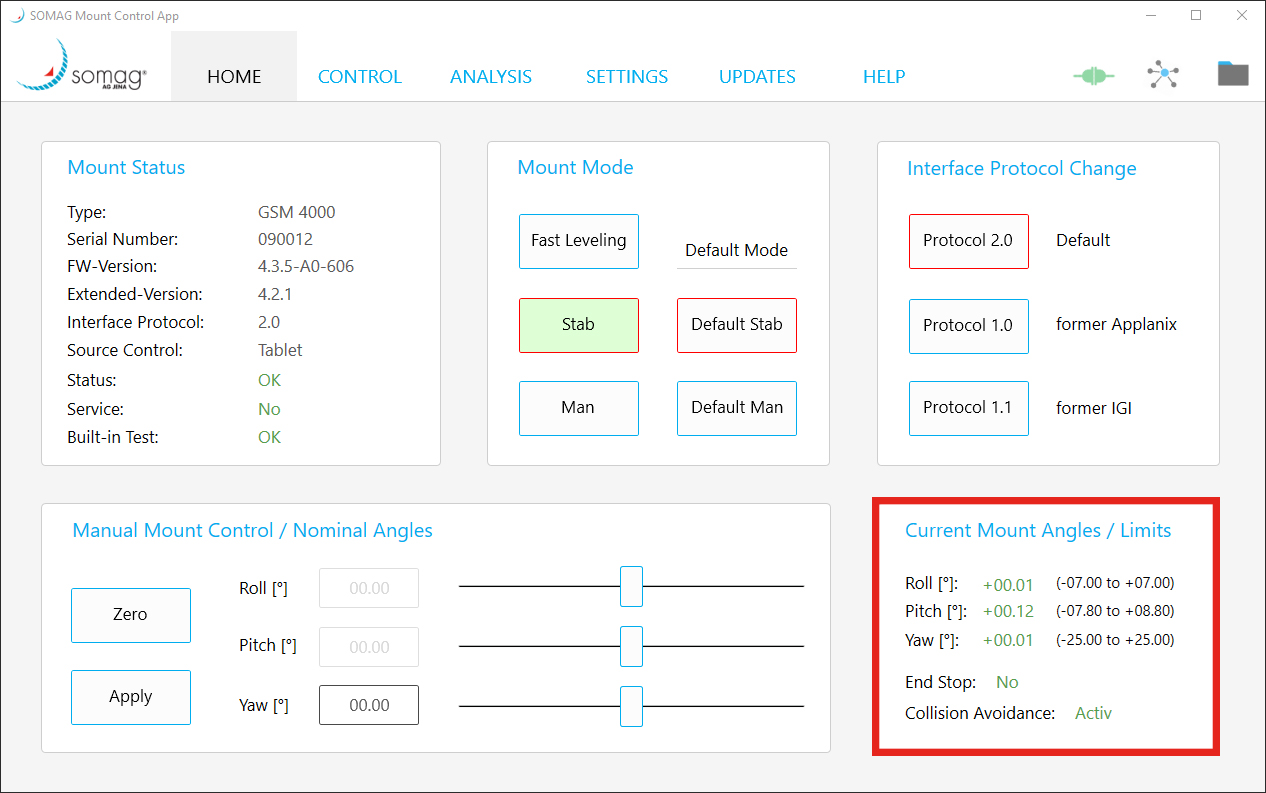
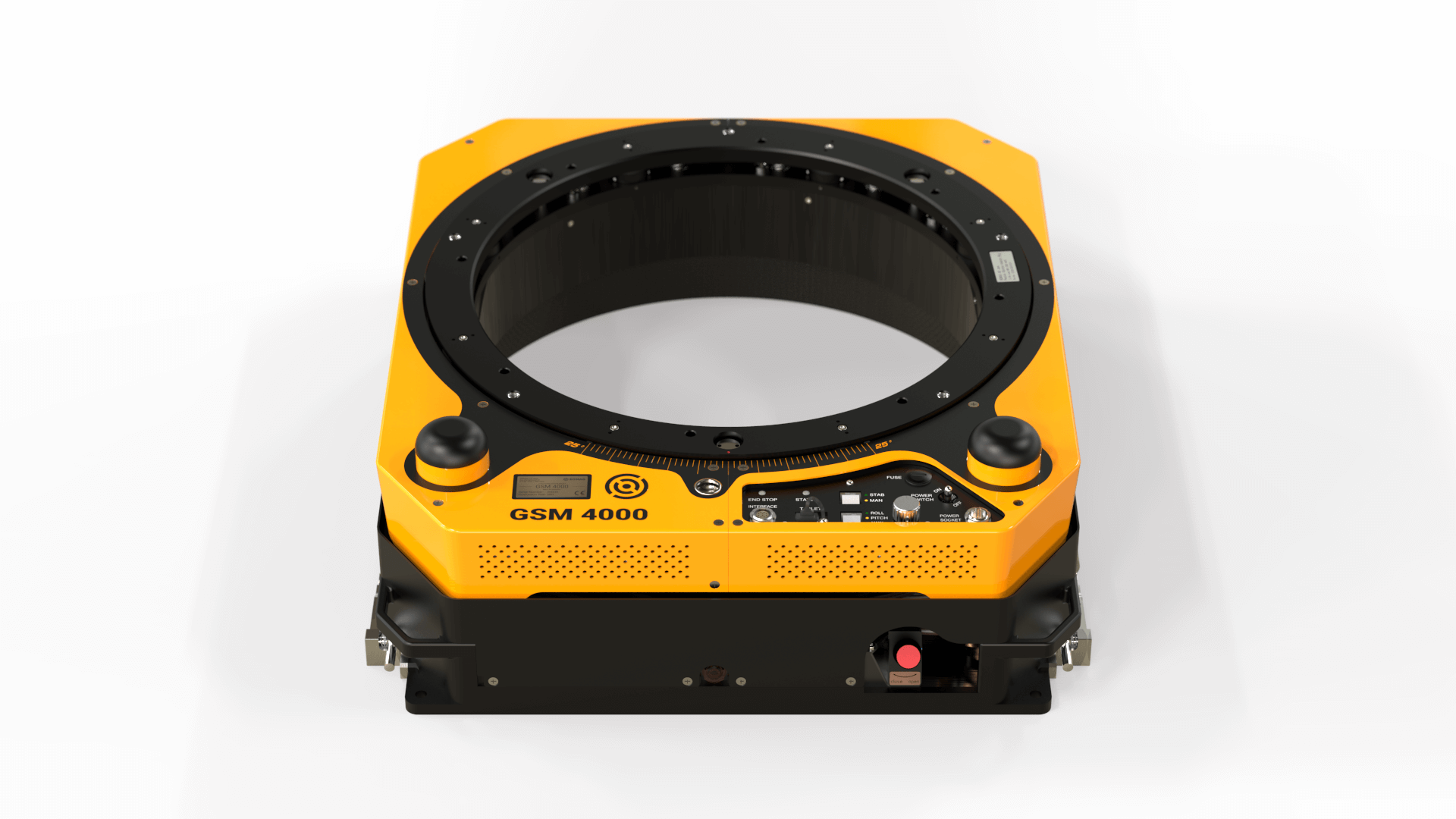
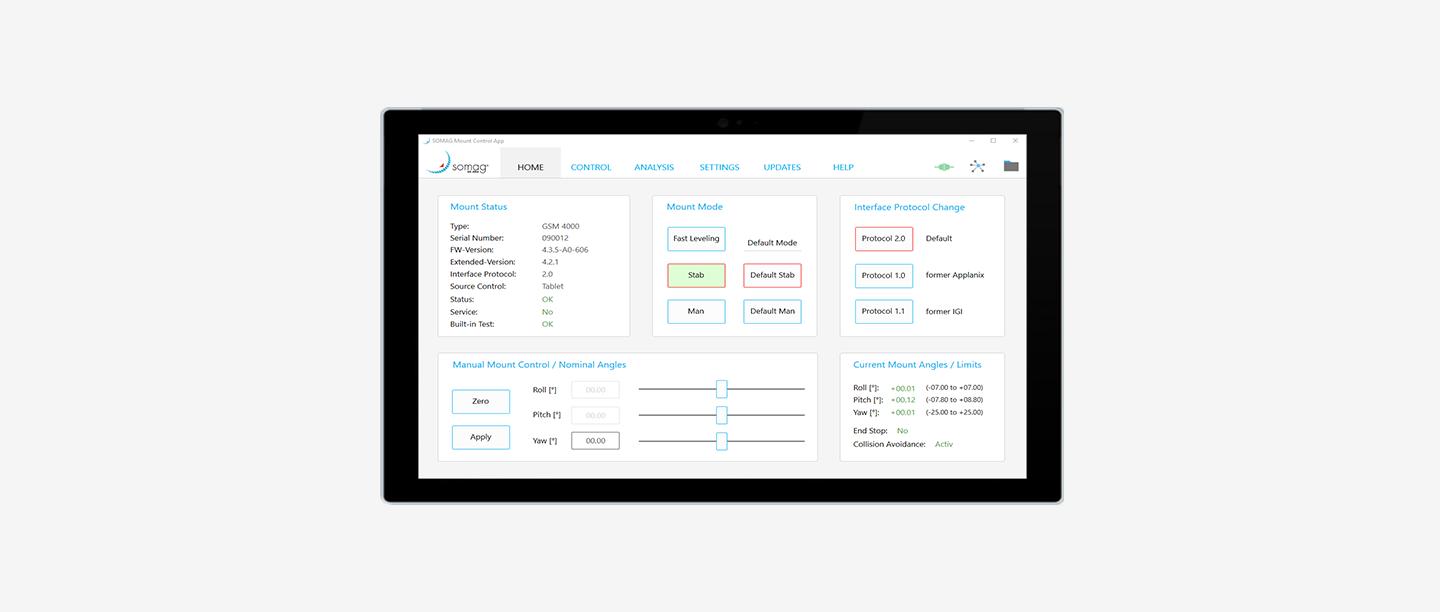
    For GSM 4000 customers, SOMAG launches a new feature called Collision Avoidance.

    Collision Avoidance

    Which application issue is solved?

    If the Mount and the sensor have to be installed close to the board wall inside the aircraft or if the hatch in the fuselage is narrow, the sensor system may collide with an obstacle. This may happen during the initialization phase of the Mount or while it is using its full angular range during stabilization. In the past, customers needed several individual software features (End Stop Limits, RTP off and Pump Direction) to avoid collision.

    What’s new?

    This problem is now solved with only one combined feature – Collision Avoidance. It includes the following functions:

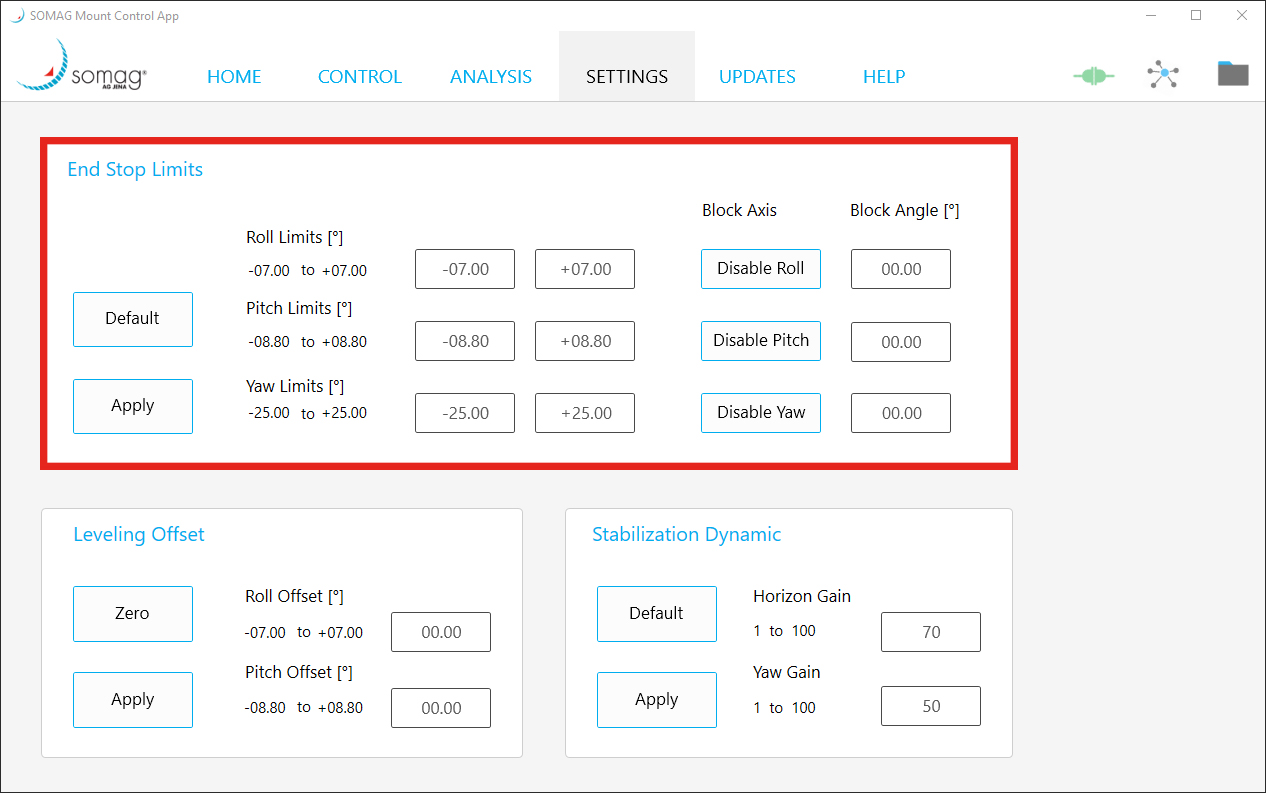
    • The End Stop Limits settings allows customers to limit the physical movement range of the Mount in all three space axes. If the End Stop Limits have been applied, the Mount will only move within the specified angle ranges.
    • The End Stop Limits and the Block Axis function are now linked together. The block axis function allows users to block the movement of one or multiple axes. For example, if the hatch hardly offers enough space for the Mount to stabilize in all three space axes and therefore preventing horizontal movement compensation, Block Axis can be used to disable these two axes. This enables the Mount to at least compensate the drift motions.
    • It is now also possible to block an axis at a certain angle.
    • Furthermore, an axis blocking now takes place automatically if the absolute difference of the entered end stop values is <± 2°.
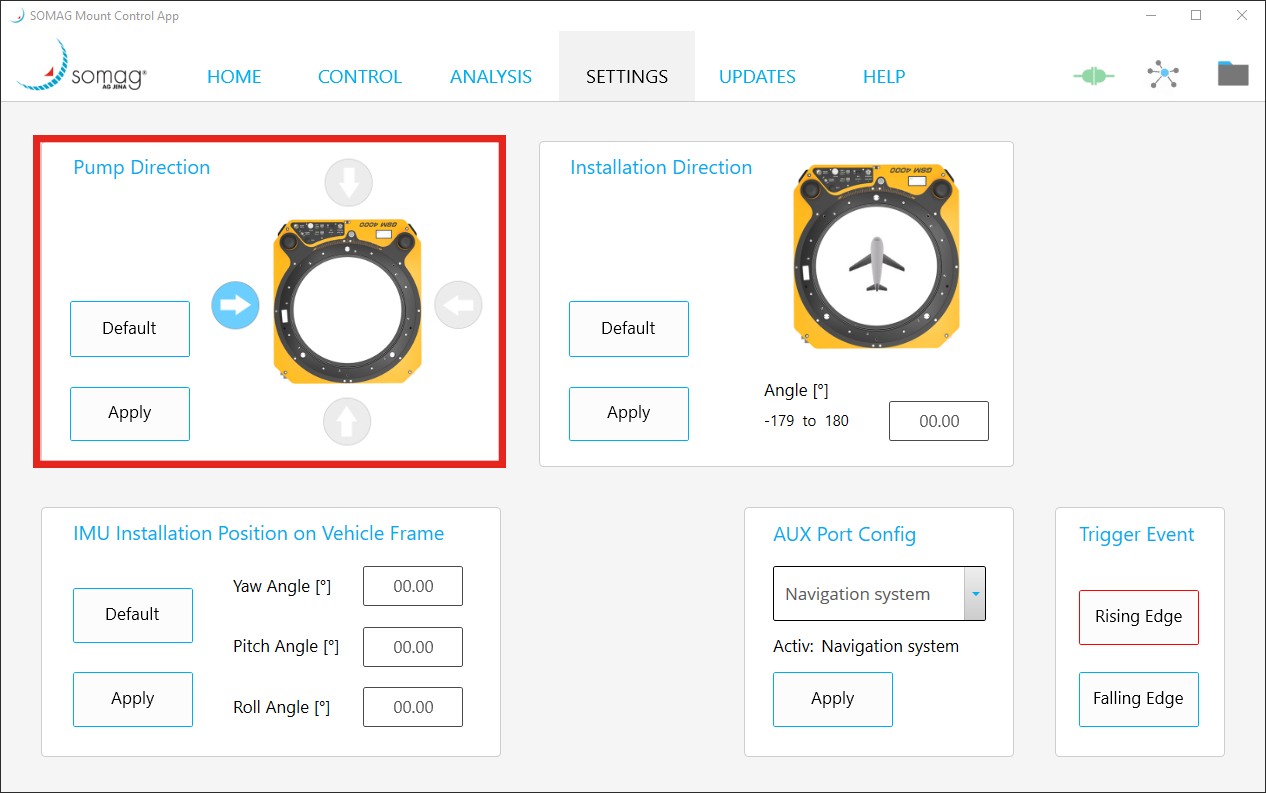
    • Limited installation space in the aircraft may result in the sensor system hitting an obstacle such as a board wall during the initialization phase when the Mount is pumping up. The function Pump Direction allows customers to select the side on which the GSM 4000 pumps to working height during the initialization phase. Without feature activation, the Mount pumps up via roll positive by default.
    • The Pump Direction function is now linked to the End Stop Limits. This means, if a change of the Pump Direction is necessary due to the restriction of roll and pitch, a possible Pump Direction will be set automatically.

    Adjustment of the Mount’s working height

    • A novelty of the Collision Avoidance feature is the adjustment of the Mount’s working height. The Mount now automatically adjusts its working height when all four values in roll and pitch have been reduced. In this way, the Mount and the sensor system are protected against a collision with an obstacle also in a non-powered state. The Collision Avoidance feature thus offers the greatest possible safety to avoid damage to the sensor due to restricted installation conditions.

      “We have also addressed customer feedback on the Range Test Phase, as well as the time of the entire initialization phase. We basically nailed it down to the minimum the Mount needs. The complete initialization phase takes now only 15 seconds which shortens the time until the Mount is fully functional tremendously”, Schreiber explains.

    End Stop Limits including Block Axis

    End Stop Limits including the option of axis blocking is still available as a single software feature for all Gyro Mounts. This software feature is particularly interesting for customers who need the movement range limitation for use cases other than collision avoidance. For example, if the hatch is too small and the sensor is located too close to the fuselage of the aircraft, this can lead to vignetting problems and thus to dark image corners. To solve this problem, it can be helpful to limit the sensor’s range of movement by activating the End Stop Limits feature.

    How do I get the Software Features?

    The Software Features can be ordered along with a new Mount. When customers receive the device, the Features are already activated and ready to be used.

    If you already own one or more Mounts, you can order each Software Feature separately later at any time. In the meantime, the Mount remains fully operational as it does not need to be sent in. Once the feature was ordered, SOMAG provides an activation file on the same day without long lead times.

    Where can I adjust the Software Feature settings?

    To activate and use the Features you only need the SOMAG Mount Control App. SOMAG provides this in-house developed app for every Gyro Stabilization Mount free of charge. The app allows you to manually control your Mount, to update the firmware and it provides access to documents like Mount manuals.

    Customers will also find an overview of all optional Features. These are greyed out at the beginning. After activating the respective feature, it will be colored and can be controlled.

    Is the use of the Software Features limited in time?

    There is no expiration of a license period and no need for reactivation. Once purchased, the feature can be used at any time. Each software feature activation is directly linked to the serial number of a Mount and can only be used with the respective Mount. If the same feature is to be used on multiple Gyro Mounts, the feature must be ordered separately for each device. If you are interested in more than one Feature, we are happy to offer special conditions for software packages.

    For questions and pricing information please contact SOMAG Sales Manager Mr. Sören Lieske at s.lieske@somag-ag.de


    Newsletter

    Sign up today!

    Keep yourself informed about SOMAG and the latest Gyro Mount technology.
    We will send you regular information about:

    • exhibitions and event invitations
    • new products, services and videos
    • latest application examples, projects and partnerships
    Subscribe here

    Subscribe to the SOMAG newsletter
    SOMAG AG Jena to deliver Gyro Mount to Green Rebel Group

    Aerial ecology survey with GSM 4000

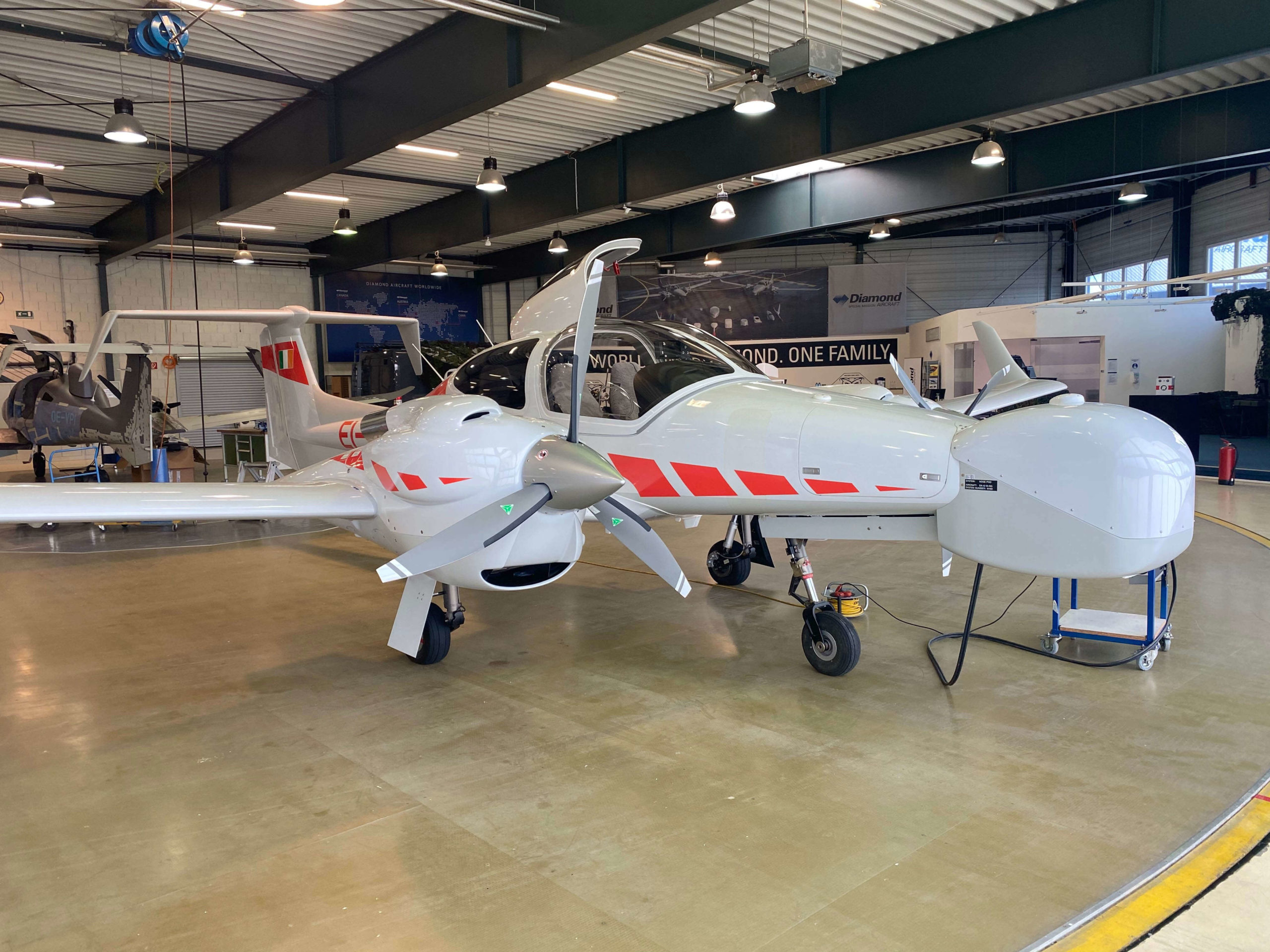
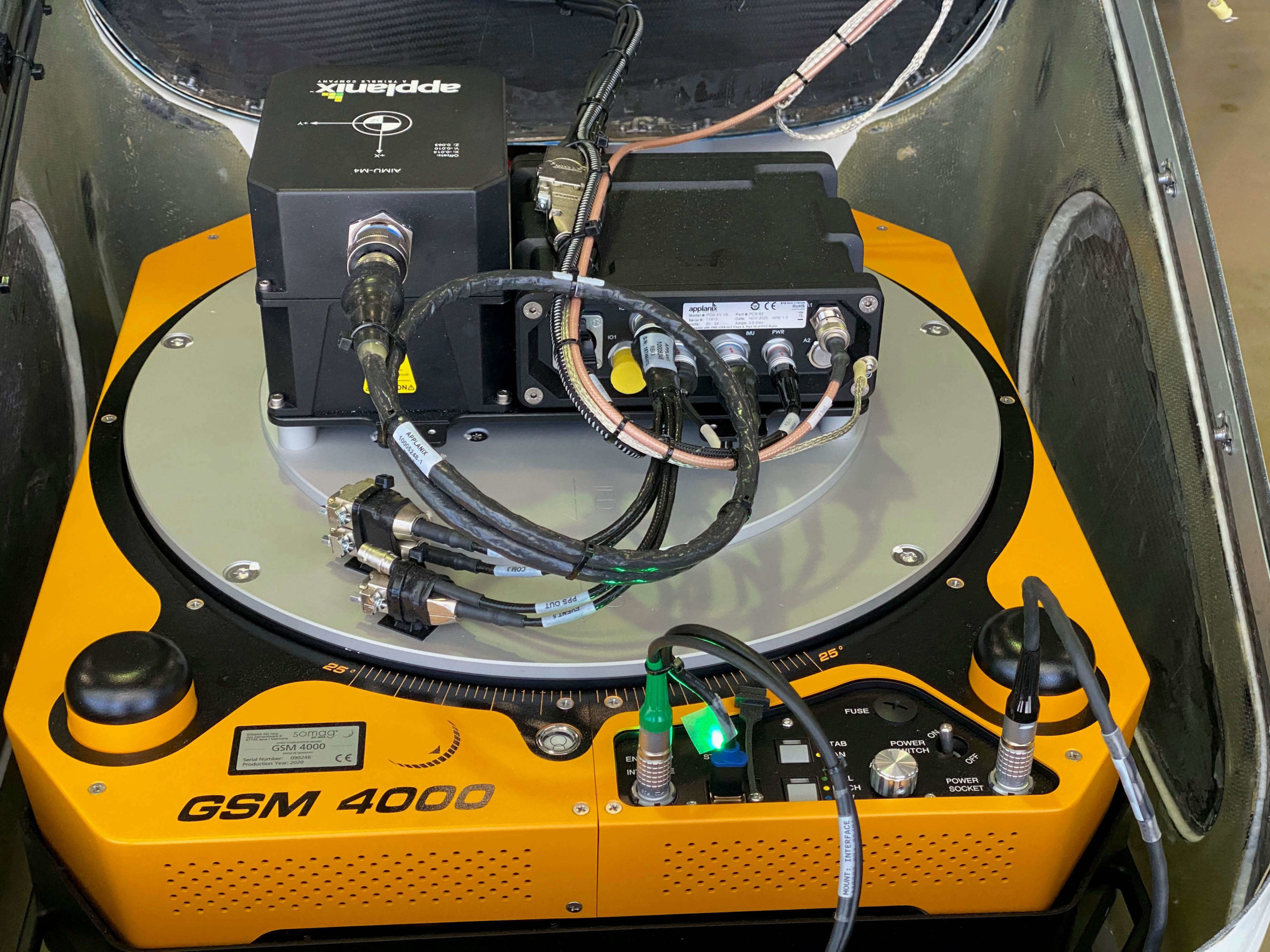
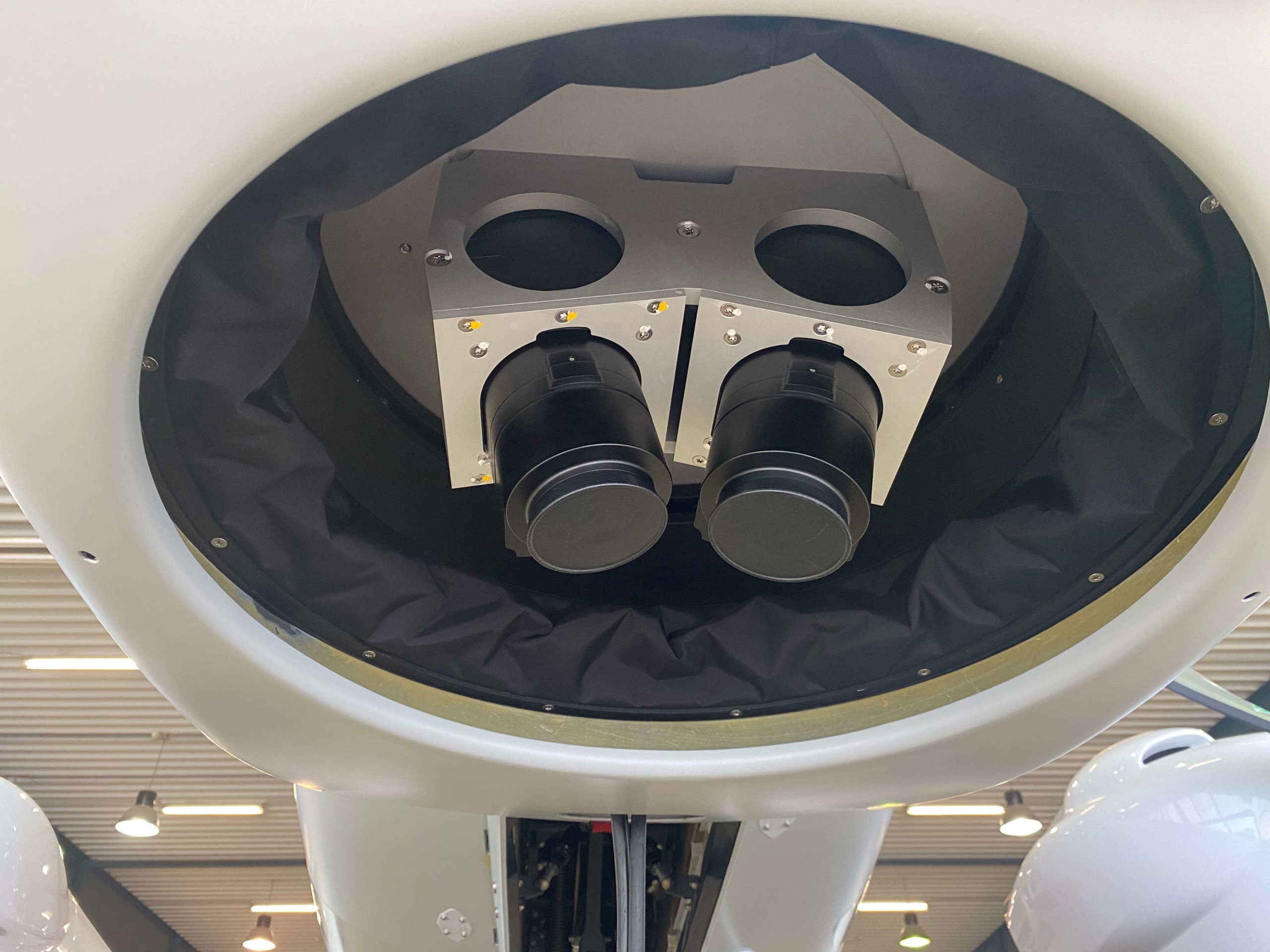
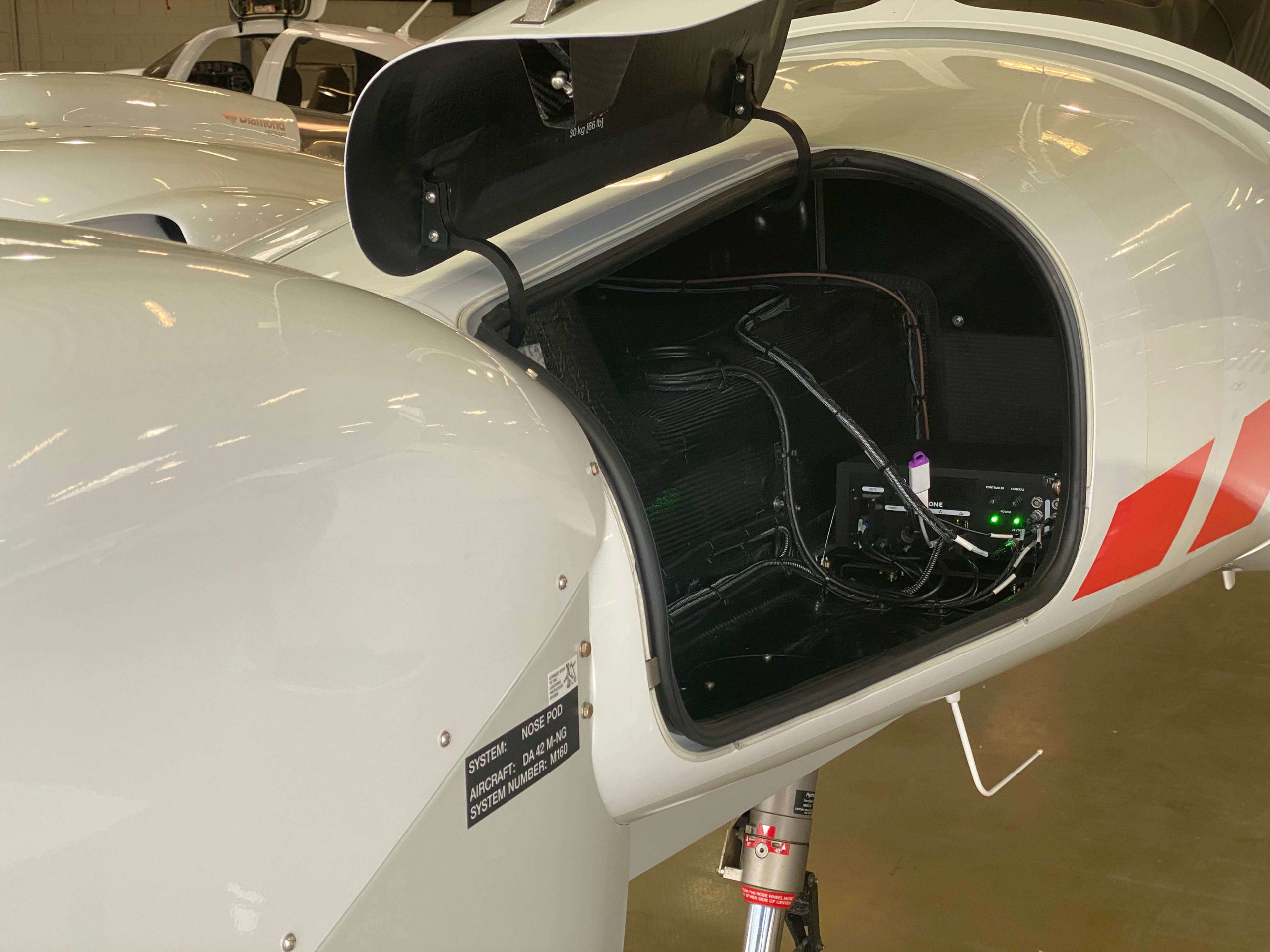
    Green Rebel Group recently purchased a Gyro Stabilization Mount GSM 4000, the flagship of the SOMAG airborne Gyro Mount line. The Mount was installed in the nose pod of a Diamond DA42 MPP aircraft, which was officially delivered in May 2021. Green Rebel, specializing in data acquisition and analytics to support offshore renewable energy development, acquired the aircraft to conduct aerial ecology surveys off the coast of Ireland. These data will be used to support consent applications for offshore renewable energy developments. As part of this work, large sections of the ocean will be surveyed on a regular basis.

    Sarah Kandrot, Head of Aerial Surveys with Green Rebel Group said: “The data are used to map the abundance of marine life to ensure that offshore wind farms are built in the most suitable locations to protect the ecology of the ocean.”

    To capture the high-resolution RGB aerial images, the Irish company uses two aerial cameras which are stabilized by the GSM 4000. The Gyro Mount dynamically compensates for arbitrary aircraft movements during survey flights, ensuring razor-sharp images.

    In order to have both cameras stabilized by the GSM 4000, a special adapter plate was designed, which features two pods that keep the cameras in an oblique view. and a Flight Management System. In parallel, an AIS receiver records which ships are moving in the vecinity of the aircraft. This is important because only off-shore data is recorded and the ship data can therefore be correlated with the airborne data.

    “Thanks to the ultra-high-spec of our camera equipment and the GSM 4000, which ensures blur-free exposures, our aircraft will be flying at heights (1800 ft) that will not cause any disturbance to birds or marine megafauna while at the same time allowing us to collect the highest-quality digital imagery”, Sarah Kandrot added.

    Thomas Risch, founder & lead of GALG International said: “We as Global Assistant & Logistic Group actively supported Green Rebel with the design of the equipment and the integration. As system integrator we always strive to keep the system as multi-purpose and scalable as possible. We have therefore chosen the GSM 4000, as it offers us the possibility to add further sensors (LiDAR, HySpex etc.), should this become necessary. In addition, we have many years of experience with the SOMAG devices and therefore know about their high quality.”

    “In the run-up to the delivery of a fully equipped survey aircraft, the close interaction of a large number of players in the industry is necessary. We therefore always work closely behind the scenes with our long-term partners to ensure that the customer is satisfied with the final result. To ensure this, we provided fast and unbureaucratic support, whether it was answering (design) technical questions or providing a dummy device to ensure a smooth integration process”, Sören Lieske, Sales Manager of SOMAG AG Jena concluded.

    Photos taken by Thomas Risch by courtesy of Green Rebel Group.

    Newsletter

    Subscribe today!

    Keep yourself informed about SOMAG and the latest Gyro Mount technology.
    We will send you regular information about:

    • exhibitions and event invitations
    • new products, services and videos
    • latest application examples, projects and partnerships
    Subscribe here


    Subscribe to the SOMAG newsletter
    SOMAG AG Jena wins contract

    SOMAG to deliver custom OSM 4000 for offshore wind lidar

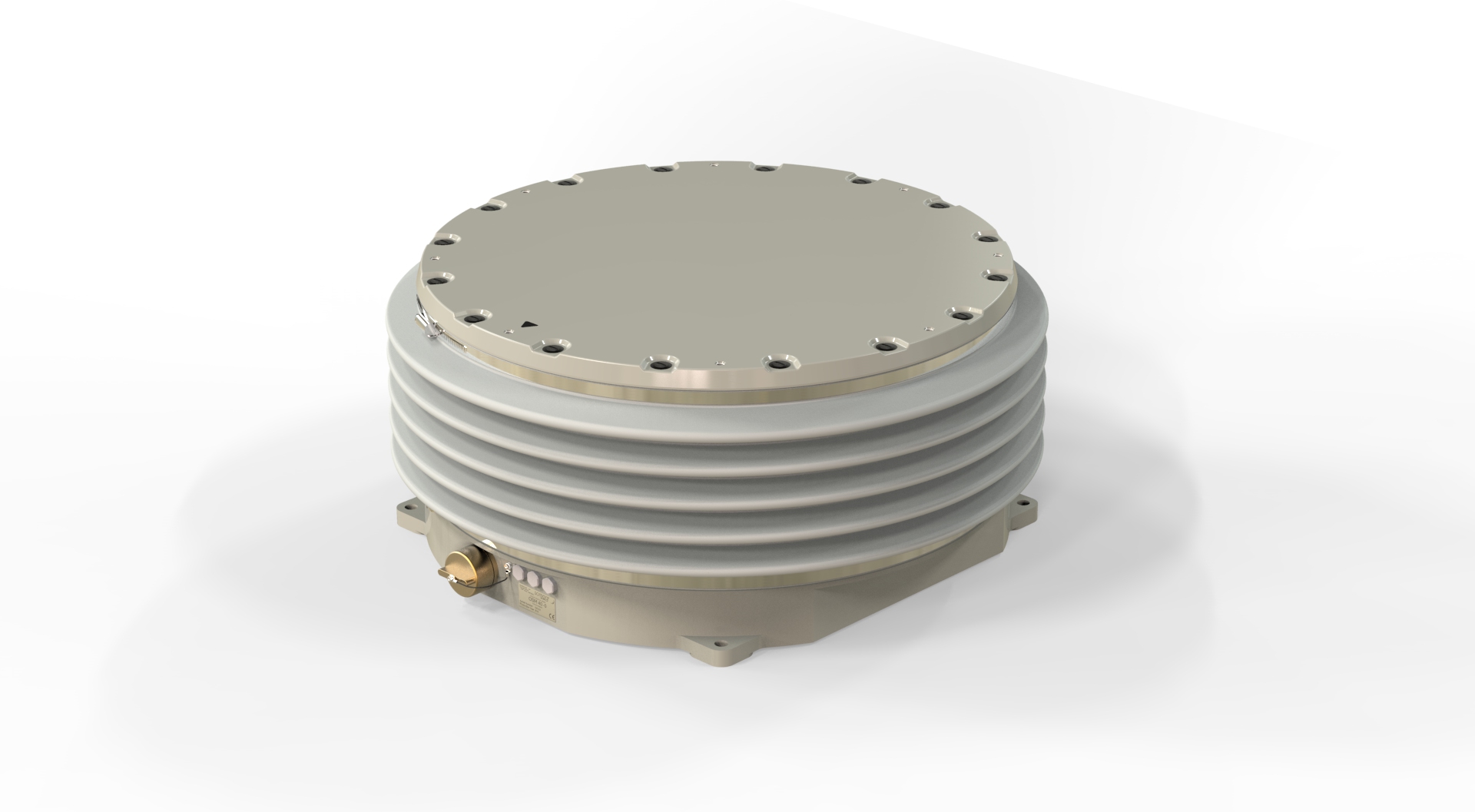
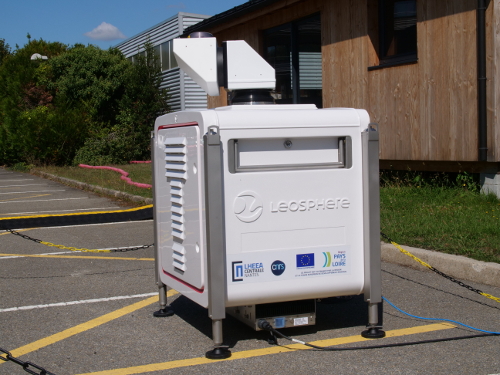
    SOMAG AG Jena has announced that it has won a public tender to supply Centrale Nantes with a stabilization system for their scanning wind LiDAR. Scheduled for summer 2021, the delivery includes a customized Offshore Stabilization Mount which will be used to stabilize a Leosphere Windcube 100s. This 3D wind Doppler LiDAR was acquired by the Research Laboratory in Hydrodynamics, Energy and Atmospheric Environment (LHEEA) of Centrale Nantes as part of its activities on renewable marine energies and the urban atmospheric environment. The optical device is capable to perform a full 3D mapping of the atmosphere to provide enhanced measurements of wind speed and direction in a range of 3 km.

    For upcoming research projects, the LiDAR is to be deployed on a floating support at the SEM-REV offshore sea test site, located 20 km off the Atlantic coast near Le Croisic, France. The use of the LiDAR on a floating platform changes its operating conditions significantly compared to the measurements previously performed on land. SOMAG AG Jena will provide a customized OSM 4000 that actively compensates for the movements of a floating platform, which faces waves up to 7 meters high, to keep the chassis of the LiDAR horizontal for an increased measurement accuracy. The motion compensation provided by the gimbal ensures that the aiming position and the measured speed are not affected by the pitch and roll movements of the platform.

    The research lab’s selection criteria required a stabilization system capable of operating autonomously and continuously for at least 3 months without intervention in a marine environment with high humidity and salinity.

    “Our portfolio of marine mounts is designed for exactly these types of applications,” explains Sebastian Schreiber, CTO of SOMAG AG Jena. “With this project, given the requirements and weight of the payload, we will raise the bar for seaborne stabilization systems as the custom OSM 4000 will be able to level unprecedented 300 kg with a stabilization accuracy of less than 0.1° rms,” adds Schreiber.

    In addition to the enhanced performance, the two-axis gimbal will be equipped with an Ethernet port for a permanent remote communication to the device and data exchange with onshore facilities.

    SOMAG AG Jena sales manager Sören Lieske comments: We are proud to have been awarded this contract. The project clearly underlines how versatile the applications are for which our devices can add a significant value.”

    Newsletter

    Subscribe today!

    Keep yourself informed about SOMAG and the latest Gyro Mount technology.
    We will send you regular information about:

    • exhibitions and event invitations
    • new products, services and videos
    • latest application examples, projects and partnerships
    Subscribe here

    Subscribe to the SOMAG newsletter